
Read through on 19 October 2026
The catalog, shelf by shelf, for a basket with several owners
Sixteen shelves of finds to browse by category. Everyone shops for themselves; these notes cover how each kind of item behaves once it shares a box with other people's.
Sixteen starting points for the group
Start with a category, then give the account holder the actual product link and option. Category photographs show examples; they do not reserve stock or confirm a price or shipping eligibility.
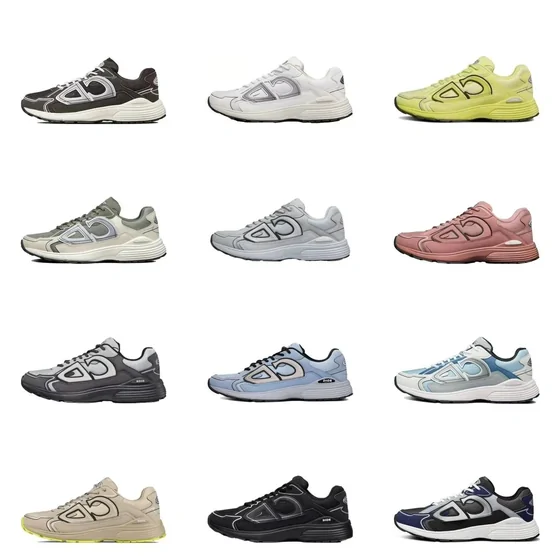
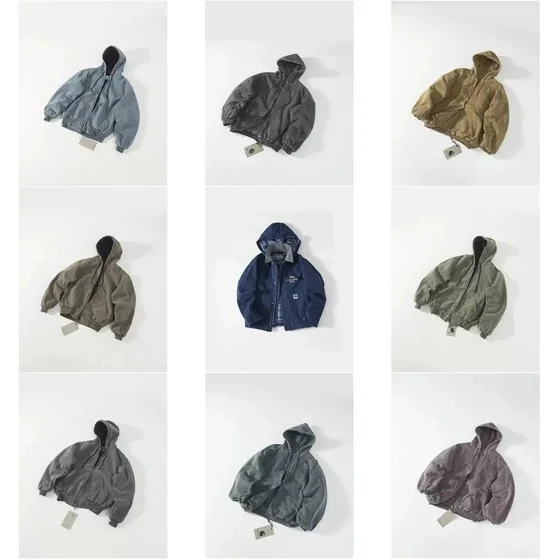
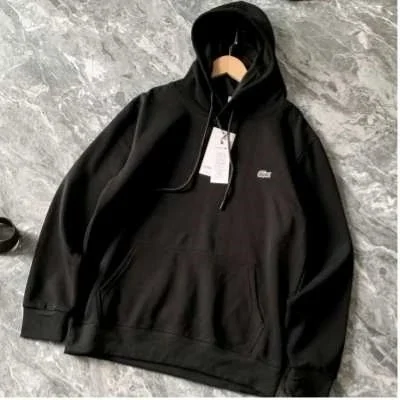
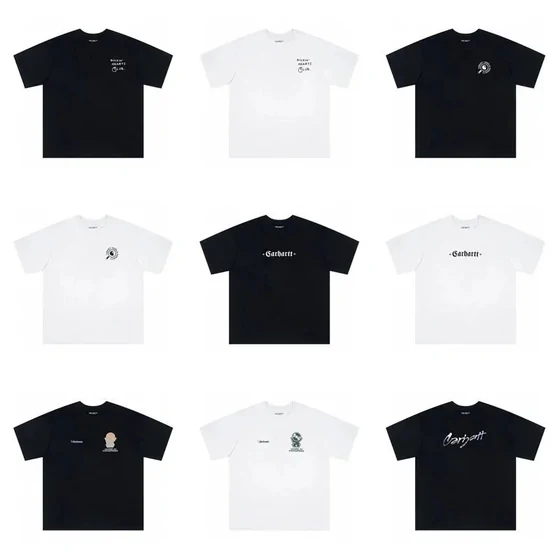
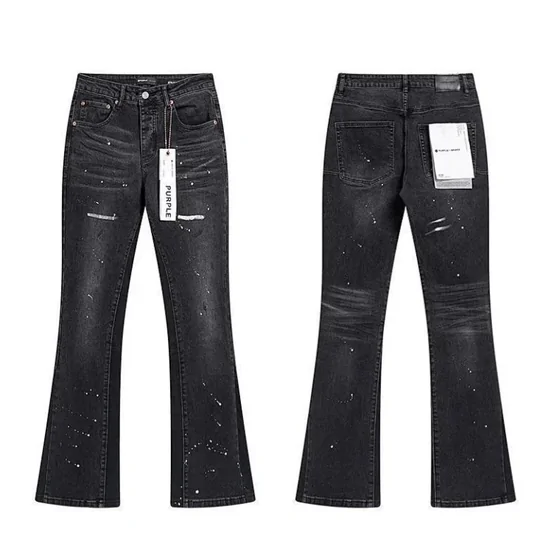
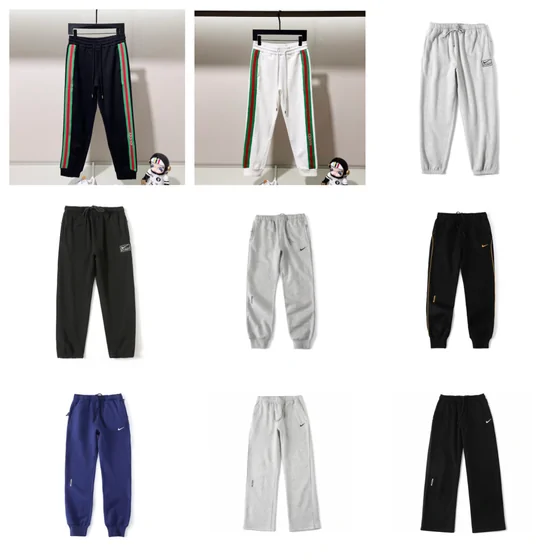

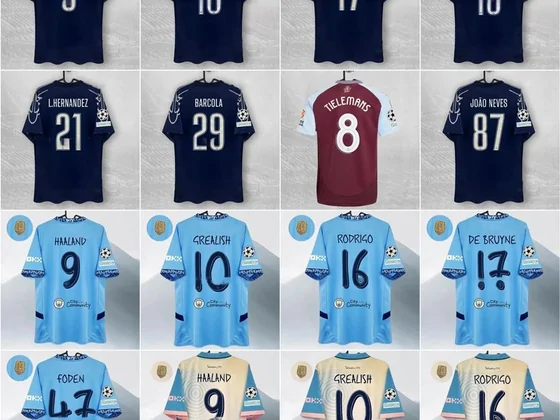
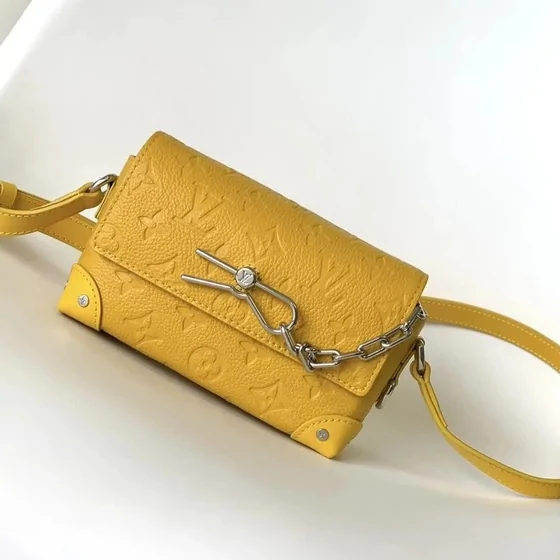
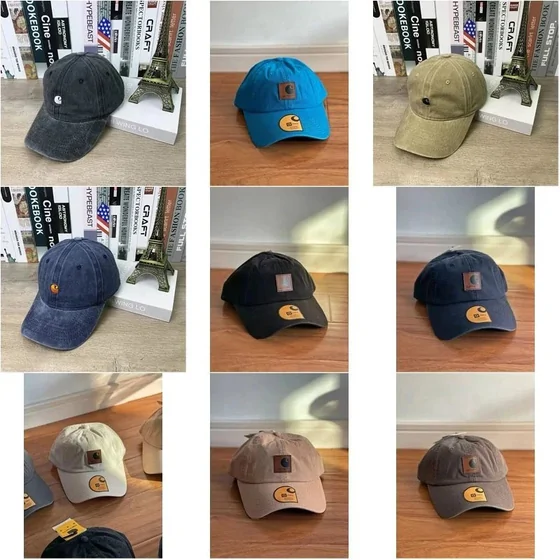



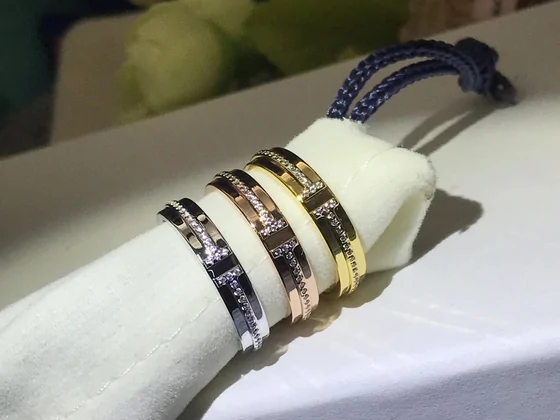


More categories: what changes in a pooled parcel
These additional category notes explain how each kind of item behaves in a pooled parcel. Several of them matter to the whole group, not just to the person ordering.
- Trainers Boxed footwear is heavy and bulky; one pair can reshape a parcel quote.
- Sports shirts Light and flat, easy passengers in a shared box.
- Belts Small but stiff buckles; ask how they are packed.
- Glasses and sunglasses Hard cases add volume; fragile without one.
- Fragrance Liquids are refused on some lines, which can limit the whole parcel.
- Jewellery Tiny and light; easy to lose when shares are sorted.
- Watches Batteries can restrict which lines will carry the box.
- Electronics Batteries and chargers can narrow the shipping choice for everyone.
What makes a useful spreadsheet for a group
For one shopper, a catalog only needs to show a find and lead to it. For a group it needs a little more, because the same shelves are being read by several people who will later pool their picks.
Links have to stay valid long enough for everyone to decide and pay, which in a group can take a week or more. Size information has to be readable by each owner, since nobody should be choosing a size for someone else. And more than one photo per find helps each owner judge their item before the holder orders it.
Those are fair tests to apply to any catalog, this one included. If a shelf here starts leading to dead links or thin listings, tell us and it will be fixed or removed.
Seller signals each owner checks
In a group order, each friend is responsible for vetting the seller of their own find. The account holder places the order but should not be expected to judge eight different shops on everyone else's behalf.
The usual signals are the same as in a solo order: how long the shop has been trading, any seller rating the marketplace shows, whether buyer photos exist and match the listing, and whether the size you want can still be selected. Good sellers tend to answer questions clearly; vague or contradictory answers are a reason to look elsewhere.
Each owner should pass the holder a link they are happy with. If a find later turns out badly, the question of whose choice it was should already be settled.
Deciding what to order as a group
Deciding what to order stays individual even when the shipping is shared. Each friend picks their own items, checks their own size chart and seller, and sends the holder a link with the exact size, colour and quantity. Choosing an item for someone else, even with good intentions, is how wrong sizes end up in the box.
There is one thing to share early: anything bulky or anything with a battery or a liquid. Those can change the parcel quote for everyone, or narrow which lines will accept the box, so the group should know before the holder orders rather than after the warehouse flags it.
If several of you want the same item, read the matching items page and talk it through with the receiver first.
Shelves that complicate a pooled box
Some shelves carry items that shipping lines treat with care: anything with a battery, liquids such as fragrance, and sometimes magnets or powders. Lines commonly refuse these or accept them only on certain routes. The archived CNFans help menu listed Packaging and Charges among its delivery topics but kept none of the detail, so check at quote time.
In a solo order, a restricted item affects only you. In a group order it can narrow the choice of lines for the whole parcel, or force a decision to leave that item behind. That is why it belongs on the list of things to raise before anyone orders.
The fair outcome is usually that the owner of the restricted item either accepts a slower or dearer line for everyone, paying the difference, or ships that item separately at their own cost.